

Being fairly new to Portugal, one of the first questions we’re often asked when meeting new people is, “Where are you from?” Sometimes it’s phrased slightly differently: “So where is home for you?”, a question that carries the assumption that wherever we lived before must still be home.
It’s a simple question, but one that can feel surprisingly loaded. Certain moments — when faced with a language barrier, unfamiliar foods, or when holiday customs look slightly different — have a way of bringing the idea of home into sharper focus.
Michal and I often ask guests on the Relocurious podcast where home is for them these days. Over time, we’ve noticed recurring — but very different — ways people relate to the concept. For some, home remains firmly rooted in their place of birth. For others, it’s wherever they are now. And for many, it’s not about geography at all.
With the idea of “home” on my mind, I began noticing references to it everywhere, often pointing to entirely different meanings. Even a short list of common idioms suggests just how varied the ideal of home can be:
Home is where the heart is. — Is home where the people you love reside?
There’s no place like home. — Is there only one home, defined by comfort and familiarity, the place you keep returning to?
Make yourself at home. — Is home wherever you feel welcomed?
Home away from home. — Is home comfort and familiarity, even in a new place?
A house is not a home. — Is home more than a physical space?
Home is where you hang your hat. — Is home wherever you happen to be?
This reflection isn’t about defining home. Rather, it’s about noticing how varied and complex the experience of home can be, particularly for immigrants.
On a personal level, I tend to subscribe to the “home is where you hang your hat” philosophy. Even temporary accommodation can feel like home if it offers the security and privacy you need or wish, along with the basic amenities for daily life. Even better, of course, when the person, or people, who matter most to you are with you there, too.
It’s a view of home rooted in the present moment, wherever I am, shifting as life shifts. That idea fits — most of the time.
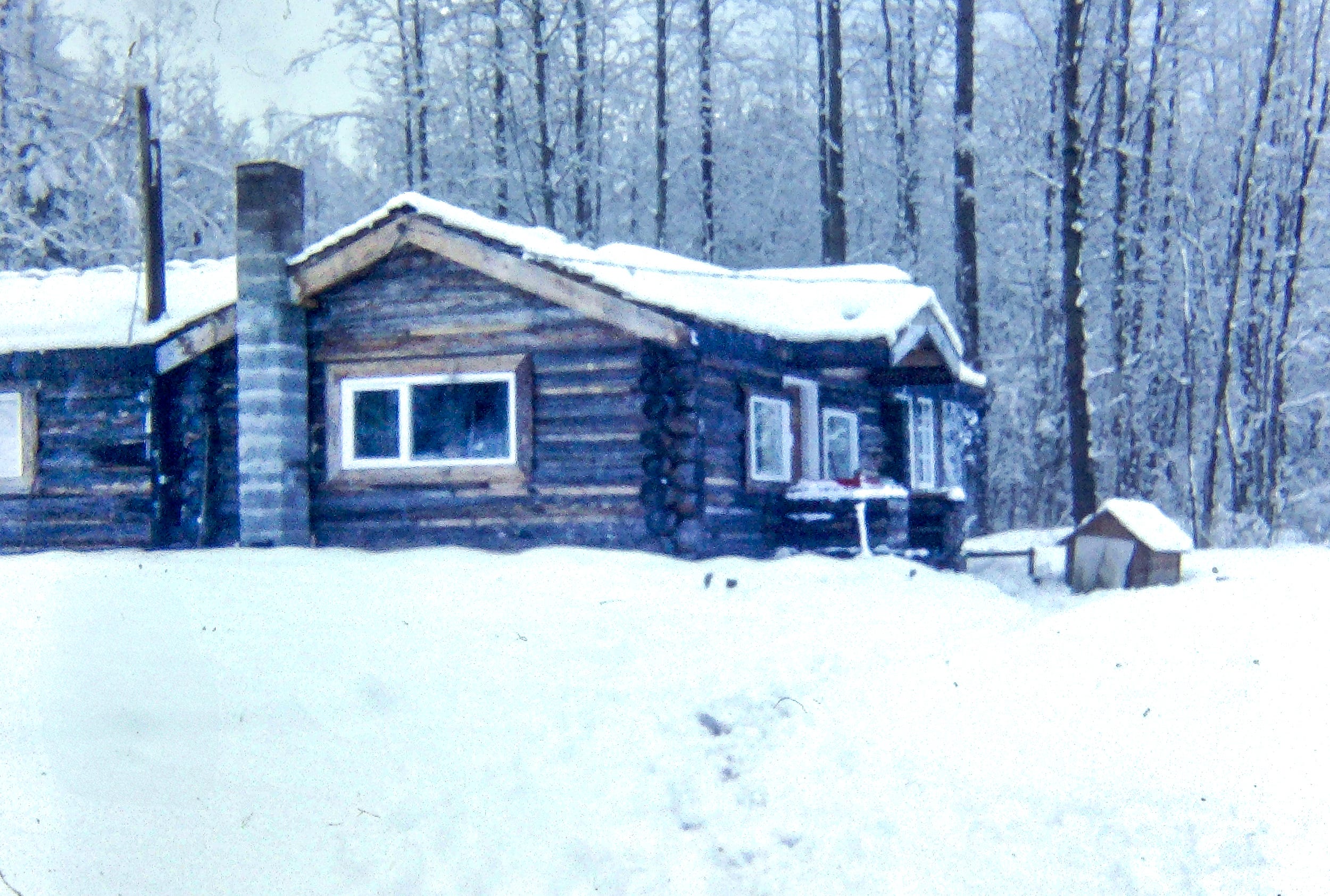
Last spring, when I was launching my memoir, I held events in a few cities in British Columbia, Canada, places that I have long considered home. I contacted the local newspapers, requesting inclusion in their “local events” listings. When one editor declined my request, explaining that Nelson was no longer my “hometown”, I was indignant. I had lived there for more than a decade, and my parents and brother still live there. Who was this person to tell me where I could or couldn’t call home?
Once the initial sting wore off, I realized how fluid my own use of the word home really is. If someone from British Columbia asks me where I’m from, I say “Nelson” — it’s where I went to high school, and lived as a young adult, and where my family still lives. If someone from another province or country asks, I say “Vancouver” — there’s a fighting chance they will recognize it on a map, and I lived in municipalities around Vancouver for more than twenty years. But in my day-to-day life now, Porto is home. All those statements are true. The definition shifts, and I’m comfortable with that.
For others, that kind of flexibility wouldn’t work at all. For some, home is where they are from, where they were born or grew up. A strong culture, a shared language, or deeply rooted childhood memories can create such a powerful connection that even after decades abroad, that place still holds emotional weight. For them, “going home” means returning to that original country or city. Their idea of home remains fixed, even as life moves on.
Some podcast guests have shared yet another perspective: Home is something internal. A feeling they carry with them wherever they go. Home, in this sense, is something they actively create for themselves. Their sense of self, values, routines, and identity travels with them. Sarah Linhares spoke eloquently about creating her own sense of belonging when she felt pulled to her mother’s birthplace on the island of Madeira.
Tineke Ziemer also spoke of a connection, a strong bond to Scotland the very first time she visited. To her, Scotland feels more like home than Canada — where she has lived her whole life — despite there being no clear path to immigration for her.
Catherine Stratton shared a different experience. The place where she had happily lived and raised her family was home — until it wasn’t. As her children moved on with their own lives, and many of her friends also relocated away, Hoboken, New Jersey no longer felt like home. With an empty nest and fewer anchors keeping her there, Catherine felt a pull to leave and explore what might come next.
As with many aspects of relocating, especially internationally, there are overlaps, tensions, and shifts in how we relate to home over time. Perhaps you were once certain of where home was for you, but now you’re not so sure. Michal described his momentary disorientation at the airport when a customs officer welcomed him home to Canada, as he was returning from a visit home to Slovakia.
After listening to guests hold more than one definition of home at the same time, or describe how their feelings have changed after each move — or even within the same place — we remain curious about the idea of “home.” Sometimes it feels clear. Sometimes it feels unresolved.
Over the next several episodes of the Relocurious podcast, we’ll be asking our guests deeper questions about their relationship to home, and how they define it, wherever they are in their relocation journey. In the meantime, we’ve been sitting with a few questions of our own:
When someone asks you, “Where is home for you?”, how easy — or difficult — is it to answer?
Has your idea of home changed over time, or does it feel anchored to a particular place or period in your life?
Do you think it’s possible to have more than one home at the same time?
Is home something you return to, something you build, or something you carry with you?
Have certain moments — moves, life transitions, or even everyday encounters — made you question what home means to you?
Does your definition of home shift depending on who is asking, and why?
We don’t have the answers, only curiosity, and a desire to keep the conversation going. Wishing you warmth, and a sense of home, wherever you are.
We would love to hear your perspective and your relocation story. Please comment below, reach out by email, or let’s chat over coffee (we like coffee!).